

Situations
|
What's the Situation?
Dental Anatomy is one of the basics that all individuals in the dental department usually encounter. We are expected to know how to count the patient's teeth both in x-rays and images. We also should know the parts of the tooth. We must also recognize dental procedures or if not, what procedures have been done or what are supposed to be done to a certain tooth. The main objective of this module is to measure the knowledge of the dental staff on dental anatomy, procedures and dental counting. You may now proceed to the next page. 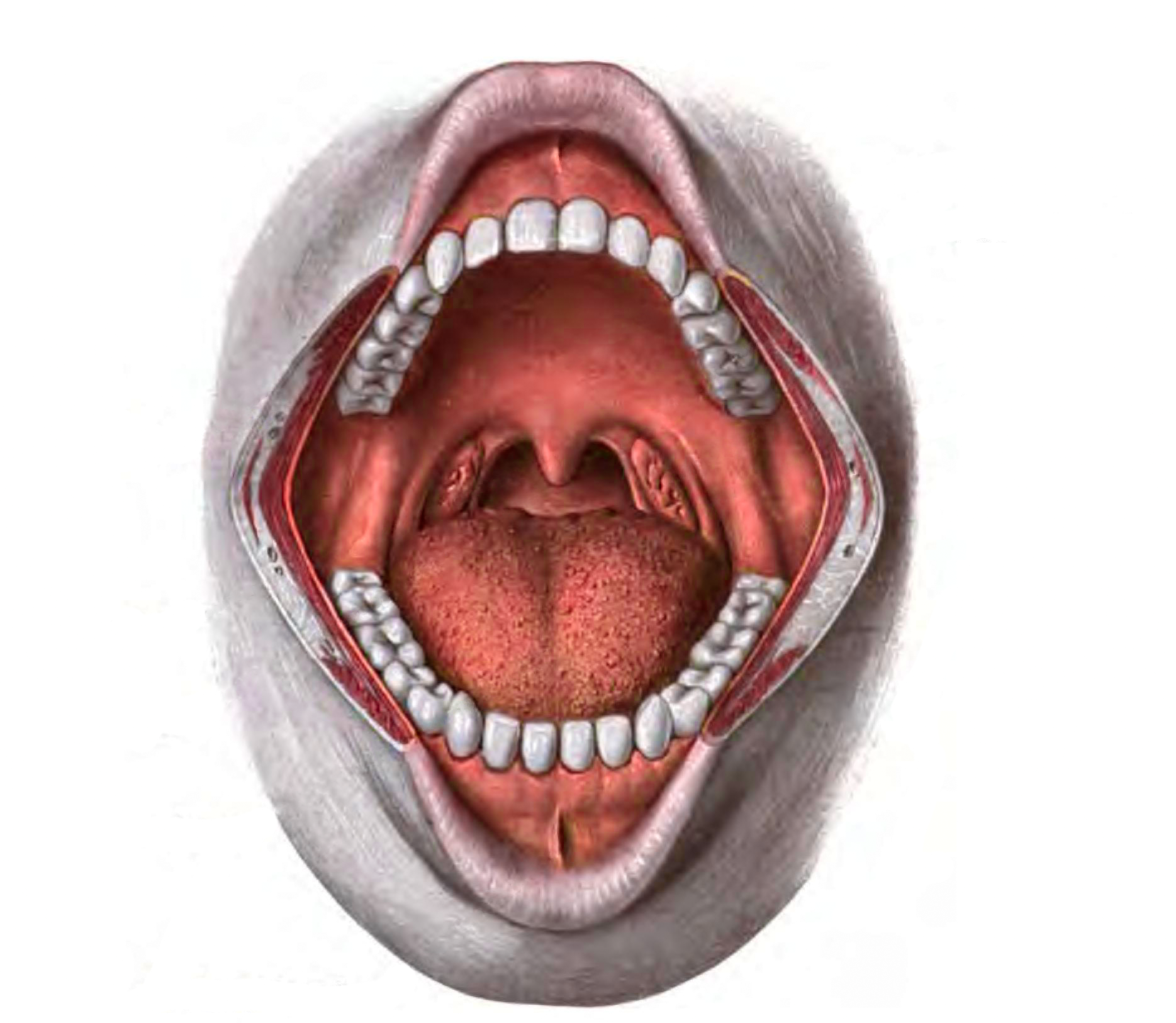 
|
.pdf.png?1786042397)
What's the Situation?
A patient arrives for an appointment looking highly anxious. While completing their paperwork, they quietly disclose that they recently lost their job, no longer have health insurance, and are deeply concerned that they will not be able to afford the medical care they need today.

|

What's the Situation?
The patient's visit has been completed, and they qualified for the Sliding Fee Discount based on their financial situation. But after the discount is applied, the account still shows an uncollectible balance. The claim remains in the pending errors queue until the account is resolved.
|
.pdf.png?1786122475)
What's the Situation?
After correctly adjusting the patient's remaining balance using the SLIDE transaction code, you move on to your month-end billing review. Your supervisor asks you to verify the financial activity for the facility, including the charges, payments, refunds, and write-offs recorded during the reporting period. Payment Reporting
|
|
What's the Situation?
Payment posting is usually the last step in the process of revenue cycle management. Mostly, we are particular in coding, billing and sending out claims, but how particular are we when it comes to posting payments? Revenue is also highly affected when we are posting payments
At the end of the lesson, you would be able to: 1. explain the importance of payment posting 2. identify the problems encountered on payment positing 3. identify the proper management and resolutions when posting payments 
|
|
What's the Situation?
Do you like how you sound on the phone?
Have you listened to yourself talking to customers? How do you sound? Do you sound happy? Confident? Do you sound like you are eager to talk to the customer? Confidence affects how customers or clients respond to us. It easier to get their cooperation in payments and information we need for them when we provide our services. It also gives customers a positive experience that would enable them to give us a good feedback. Positive feedback allows gives our providers a grasp of the quality of the work we can provide. Here at Vector Outsourcing Solutions, we must ensure that our customers are able to feel that we can provide excellent customer service that we can rely on. It all starts with us being able to provide a positive call experience to our patients. Let's begin with building our confidence in our phone conversations. At the end of this training, you should be able to: 1. Identify how we should have a definitive tone when speaking 2. Identify the proper speed when talking on the phone 3. Identify what to avoid when talking to your patients 4. Identify other practical ways to improve your voice and language when speaking to patients 
|
|
What's the Situation?
In the healthcare industry, data accuracy drives operational success. This course introduces you to the Centers for Medicare & Medicaid Services (CMS) diagnosis coding guidelines. You will learn to transform complex medical documentation into standardized alphanumeric codes. Mastering this process ensures that every patient encounter is documented with the highest level of precision.
 Benefits to Your Role in Revenue Cycle Management Accurate CMS diagnosis coding is the foundation of a healthy revenue cycle. Here is how this training directly benefits your daily work: 1. Reduces Claim Denials: Precise codes prevent payer rejections and administrative rework. 2. Accelerates Reimbursement: Clean claims speed up processing times and optimize cash flow. 3. Ensures Regulatory Compliance: Proper coding protects the organization against federal audit risks. 4. Optimizes Reimbursement: Accurate documentation captures the true severity of patient illnesses. 5. Minimizes Billing Errors: Reliable coding bridges the gap between clinical care and billing.
|
|
What's the Situation?
We work from home, and that's great! However, one of the probable cases for most of us is that we might be sitting all day, which is overall unhealthy.  To maintain good health and quality of life, we must keep our bodies active. It does not have to be taxing or stressful. Sustainability is key. We have to make sure that we have a sustainable physical activity that we can do regularly to support our health. The easiest and probably one of the most beneficial exercises is WALKING. It is easy to do, and it can be done regularly. It is free. It is not stressful. It regulates hormones. And most of all, it relaxes our minds. We hope that after this video, you will decide to take the small steps and walk daily, for your good.
|
|
|
|
|
|
What's the Situation?
 Have you ever felt stressed? We all had. We all do. And most probably, we all will continue to experience stress. It is part of life. We cannot avoid it because life really has demands and uncertainties. But there is something we must be able to do to manage it. Yes, we can have a vacation, watch a movie, take the weekend off, talk to friends and family, play sports and others... But there are still more other things we can explore to cope up with stress. And this starts with managing it. This module will enable you to: 1. capture a different point of view of stress 2. explain the biological significance of stress 3. identify and practice ways to deal with stress
|